
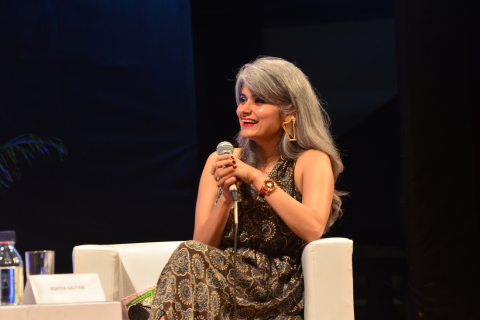
An evening of rare warmth, wit, and emotional candour unfolded in Kolkata at Tête-à-Tea with the Tharoors, organised by Prabha Khaitan Foundation, where Dr. Shashi Tharoor, Shobha Tharoor Srinivasan, and Smita Tharoor came together for a deeply personal and engaging conversation with journalist and translator Nishtha Gautam. What emerged was not merely a discussion among celebrated public figures, but an intimate portrait of siblinghood, shared history, and the enduring glue of family.
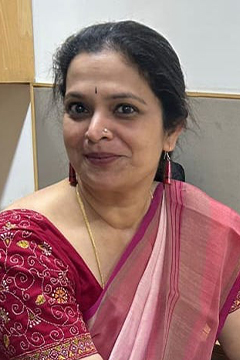
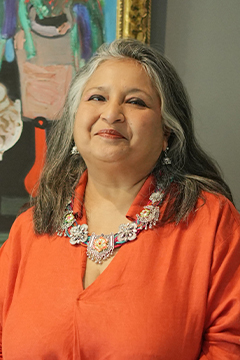
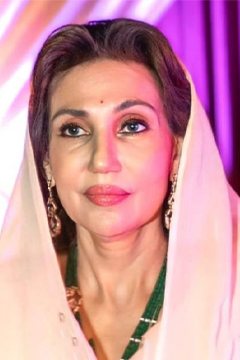
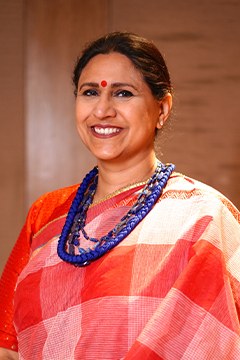
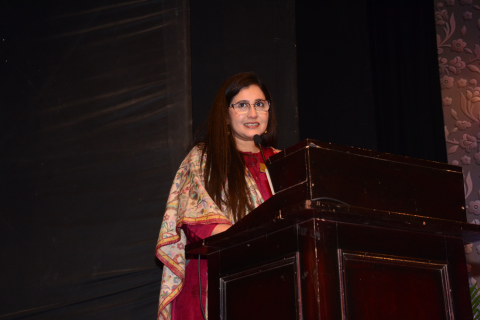
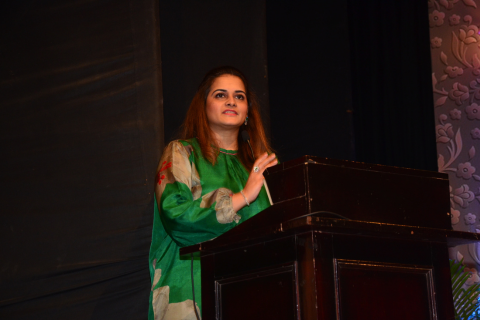
The evening commenced with a gracious welcome by Shefali Rawat Agarwal, Ehsaas Woman of Kolkata, setting a warm and inclusive tone for the gathering. This was followed by an address from Nidhi Jhunjunwala, Chairperson of FICCI FLO Kolkata, who highlighted the importance of such cultural and intellectual engagements in fostering dialogue and connection. A graceful moment of recognition ensued when Anindita Chatterjee, Executive Trustee of the Prabha Khaitan Foundation, and Esha Dutta, Honorary Convenor for North-East Affairs and Ehsaas Woman of Kolkata, honoured the distinguished guests with exquisite terracotta artefacts presented as a token of appreciation.
The conversation gently drifted into reflections on closeness despite distance. Speaking about the Tharoor siblings’ enduring bond, Shashi Tharoor remarked that they had “Remained very close to each other. Thank God for modern communication and WhatsApp and the internet,” he said, noting that they were “constantly in touch with each other.” He humorously described their family WhatsApp group as a space where “everyone is busy pulling everyone else’s leg, a place where you forget about fame or limelight very quickly when you’re in a family group.”
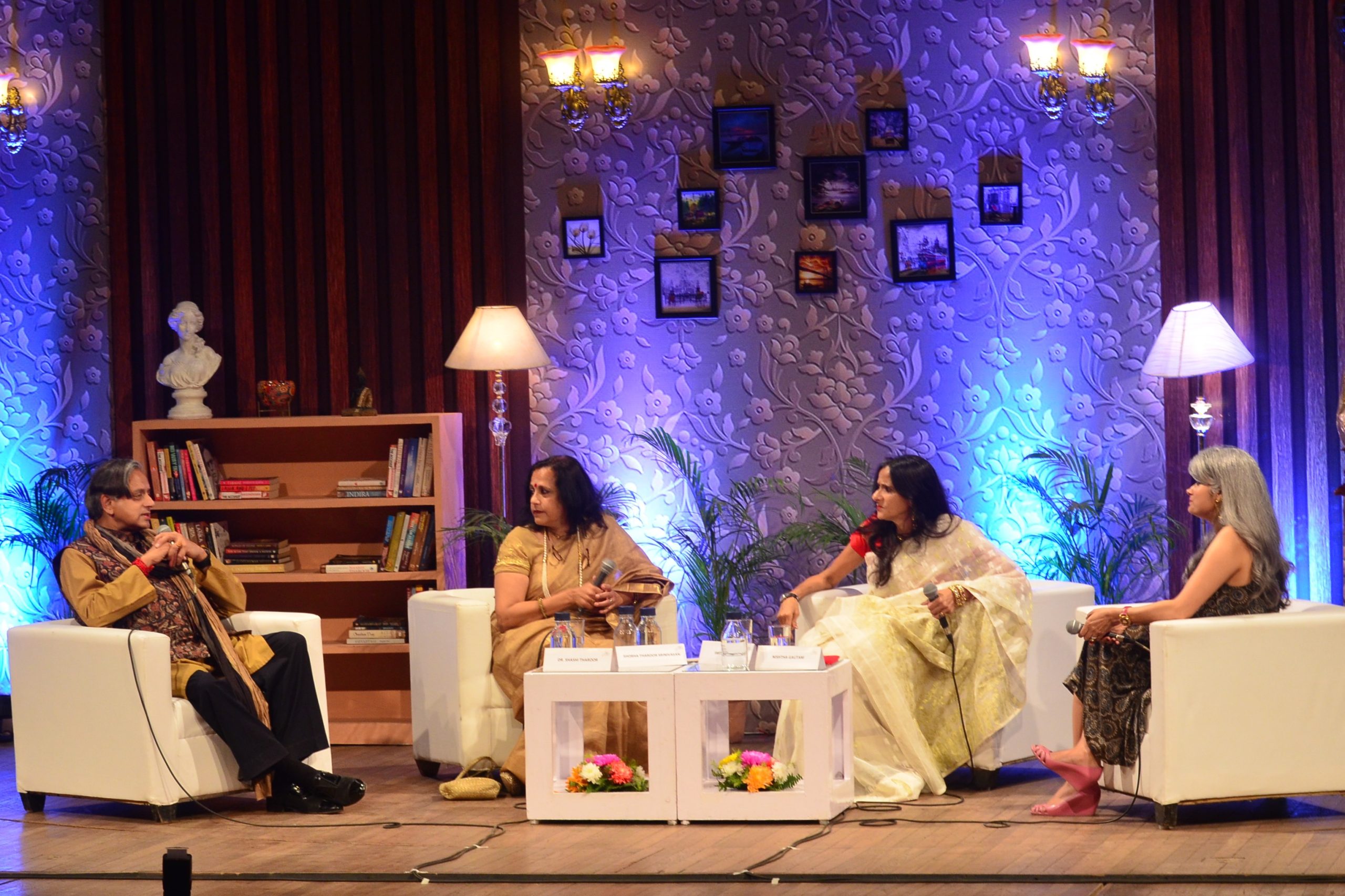
The ease of sibling banter continued as the conversation turned playful. One of the sisters teasingly described Shashi as “the kind of brother who tends to get protective and, in the process of being protective, tends to be a little overbearing.” Shashi responded with humour, acknowledging that he “might have been so,” but quickly contextualised it. He explained that he had left for college at the age of sixteen, when his sisters were still young, and therefore “escaped being too much around in their teens and adolescence.” Still, he admitted that whenever he was home, he took the role of elder brother seriously. “I don’t know how they experienced it, but it mattered to me,” he said.
As the discussion deepened, Shashi offered a touching reflection on how sibling dynamics evolve with time. He spoke movingly about how Shobha, despite being younger, became a source of nurturing for him. Having built a stable home early on in California, she became, in his words, someone he would go to “almost in the spirit that I might have wanted to go to my mother.” With gentle honesty, he observed, “She was almost like a nurturing elder sister rather than the other way around. The tables turned very quickly.” The remark, delivered without drama, carried the quiet weight of lived experience.
Shobha Tharoor Srinivasan, in turn, offered poignant insights into how effort and presence define familial love. Recalling the period after their father’s death in 1993, she described how Shashi, then working with the United Nations, made repeated efforts to be there for her.
“That first year of deep mourning,” she said, “I must have seen him at least half a dozen times.” She contrasted this with a later moment when Shashi himself was bereaved. “I got on a plane immediately and I was in Delhi within hours,” she shared, explaining how she stayed for ten days, followed by Smita joining them. “It’s about making the effort,” she emphasised; “It’s about being there for the person in the best way we can.”
The conversation also touched upon absence, guilt, and reconciliation with time. Smita recalled how Shashi had left home early, married young, and moved on swiftly into adulthood. She mentioned that he once dedicated a novel to his sisters, promising to take them to the movies — something that never quite happened. Yet, as she noted with quiet grace, “We’re sort of making up for all of that now.”
When asked how much their personalities had been shaped by each other, Shashi Tharoor offered a characteristically thoughtful response. Reflecting on growing up surrounded by women, he said, “I certainly think that growing up with women around me has made me from a very young age very sensitive. I never got into patriarchy, male chauvinism, misogyny that I sometimes still see around me in India.” He credited not only his sisters but also his parents, especially his father, whom he described as “incredibly liberal for his generation” in matters of education and life choices. “We all felt that we each had our individual worth, and that would be respected and valued,” he said, calling this upbringing “a big advantage.”
He went on to speak candidly about his mother, dispelling any notion of her as a gentle, indulgent matriarch. “My mom was a tough cookie as a mother,” he said, smiling. “She’s not this gentle purring old 90-year-old. When she was younger, she was a heck of a tough mom to grow up under.” This strong female presence, he noted, profoundly shaped his attitudes. “I’ve never had any difficulty either showing respect to women, talking to them, listening to them, as unfortunately too many of our young boys in India have.”
Shobha Tharoor Srinivasan followed with an affectionate and articulate account of how her brother influenced her intellectual growth. “I sound a little like I’m fangirl number one,” she admitted with warmth, “but I really grew up where my brother influenced me a great deal.” She recounted a childhood memory she often shares with schoolchildren: “I must have been nine or ten years old. I said this new girl has come and she’s very nice, and Shashi said, ‘Nice! That is damning with faint praise.’” He urged her to use sharper language, to “use an adjective, use an adverb,” a lesson she said stayed with her for life.
She also spoke about how Shashi encouraged her to apply to colleges in the United States, even paying her application fees from his modest PhD stipend. “I’ve always had that looking up to him,” she said. “In some ways, I owe him a great deal.”
Smita Tharoor offered a contrasting perspective, shaped by her position as the youngest. “I was nine years old when he left for university,” she said, explaining that she had spent more time with her sister than with her brother while growing up. “My sister was far more my role model in terms of aspirations.”
The discussion then shifted to a more public chapter: Shashi Tharoor’s entry into politics. Asked about the difficulty of that decision, he was forthright. “It was not something I prepared for, not something I thought about, not something I knew about,” he said. Tracing his journey from a middle-class upbringing to the United Nations, he explained how the Emergency
years deeply disillusioned him. “I can’t possibly serve a government that can do this to its people,” he recalled thinking, a conviction that ultimately led him away from civil services and into an international career.
His eventual return to India and plunge into electoral politics, he admitted, was driven partly by ignorance. “I left India at 19. I had never even voted, let alone seen an election up close. Yet circumstance, and perhaps destiny, intervened.”
For his sisters, the decision was deeply unsettling. “It unnerved us. It stressed us out,” Shobha said frankly, recalling their mother’s anguish. “She said, ‘You are not that, you are a scholar, an intellectual people will spoil your name.” Still, the family rallied around him. Shobha described flying in from California to work on his first campaign, witnessing him work from “6 in the morning till 1 in the night.” Despite fierce opposition, he won an outcome she described as “incredible.”
On how the siblings manage disagreements, the answer was refreshingly grounded. “We don’t fight,” Shobha said. “We disagree.” Smita added that they might tell him, “Shash, you’re a budhu,” prompting explanation rather than conflict. Shashi himself acknowledged that his sisters were his strongest critics and greatest support. “There is no hero worship,” he said. “They’ll tell me exactly what they think.”
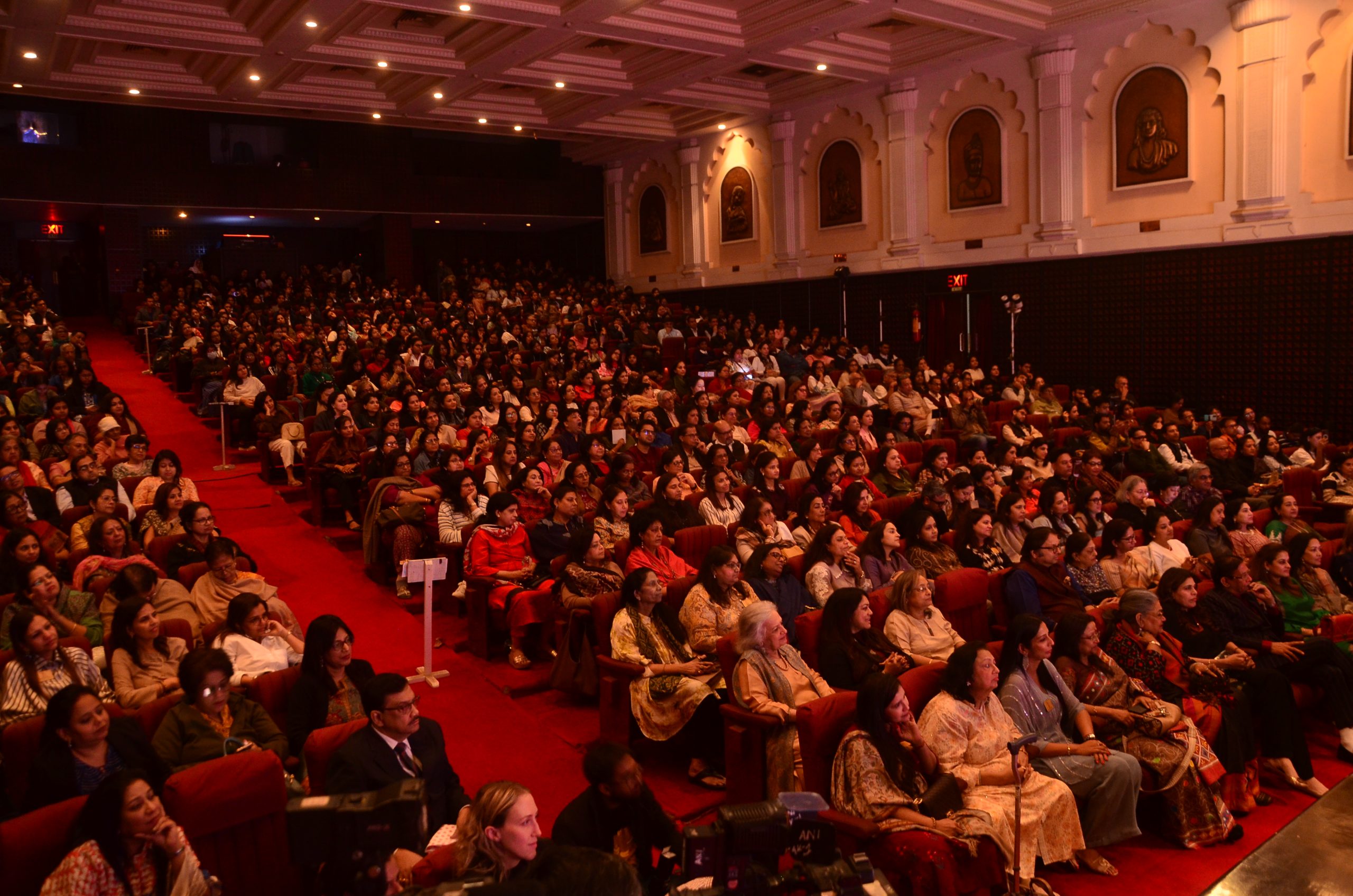
The Q&A session with the audience, addressed to Shashi Tharoor, playfully referenced his reputation as a “human thesaurus.” The audience member asked whether he consciously moderated his vocabulary while speaking to “simpler people.” Tharoor responded with warmth and clarity: “I’d like to think that I’m a communicator, and therefore there’s no point communicating if people don’t understand what you’re saying.” He added that he always tried to pitch his language to his audience and asked, lightly, “Did I say anything today that nobody here understood?”
At this point, Shobha Tharoor Srinivasan interjected with affectionate humour, explaining how a long-ago tweet about the word ‘farrago’ had fuelled the myth that her brother spoke only in intimidating words. “But that’s not true,” she assured the audience. “He speaks like any one of us.”
A follow-up question asked whether Tharoor was more diplomatic at home or in Parliament. His reply was candid and disarming: “I would say I’m diplomatic at home, but with my sisters, there’s no pretence. We talk very frankly and honestly to each other. No diplomacy at all.”
Another audience member described Tharoor as an “alchemist” who had shaped generations through words and asked what kept him grounded despite personal and public trials. “The most important thing any one of us can do as human beings is to be true to ourselves,” he said. He urged everyone to know their strengths and limitations and to “be the best version of yourself that you can be,” calling wasted talent “a cardinal sin.”
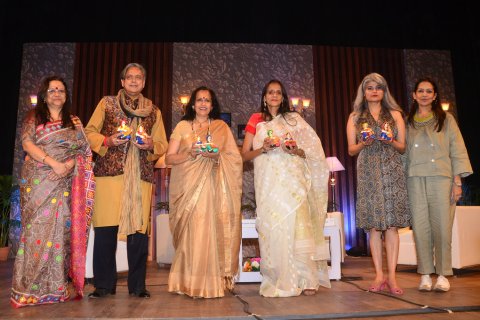
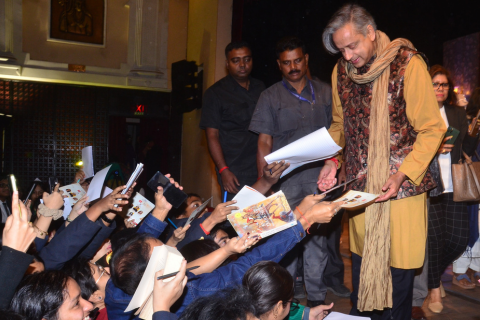
As the evening drew to a close, what lingered was not the stature of the speakers but the sincerity of their bond. Bound by shared values, honest disagreement, and deep affection, the Tharoors offered the audience something rare: a reminder that behind public lives lie private constellations of love, loyalty, and enduring conversation, held together, quite simply,
by being there for one another. The evening concluded on a warm note with a heartfelt vote of thanks by Ehsaas Woman of Kolkata, Shefali Rawat Agarwal.
This session of Tête-à-Tea was in association with FICCI FLO Kolkata and Sanskriti Sagar.