The second day of the literary and cultural festival “Ramayana – Epic of All Epics” witnessed a series of engaging and insightful sessions at the Indira Miri Conference Hall of Dibrugarh University. The two-day festival is organised by the Prabha Khaitan Foundation with support from Oil India Limited, celebrating the literary, philosophical and cultural richness of the timeless epic Ramayana.
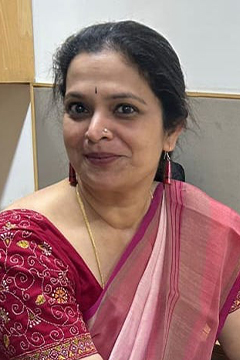
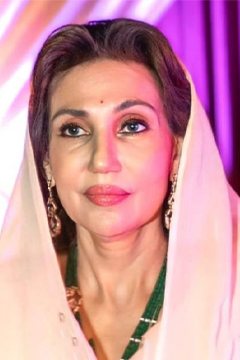
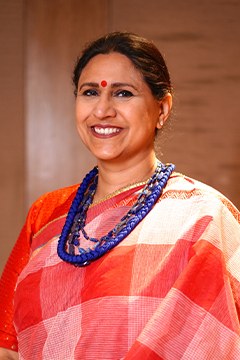
The sessions on Day 2 began at 10:00 AM with a discussion titled “Regional, Folk and Tribal Ramayanas.” The session was chaired by Karabi Deka Hazarika, who highlighted the remarkable diversity of Ramayana traditions across regions and communities. The discussion featured Bhawani Ghimeray and Dhurjati Sarma as discussants, who elaborated on how folk narratives and tribal traditions have enriched and reinterpreted the epic through oral storytelling and regional literary expressions.
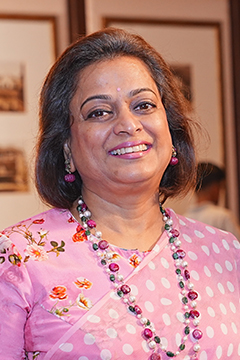
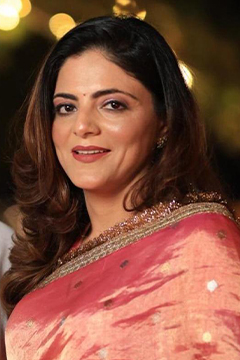
The second session, “Cultural and Civilizational Impact of Ramayana,” was chaired by Pramod Jain. Anuja Chandramouli, the discussant for the session, spoke about the profound influence of the Ramayana on India’s cultural ethos, social values, art forms, and literary traditions, emphasising its enduring relevance across centuries.
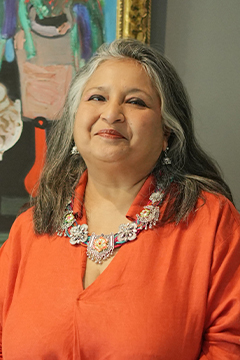
Following this, the session “Devotion and Spirituality in Ramayana” was chaired by Yugal Joshi. The discussion featured M. A. Alwar and Anuja Chandramouli as discussants. The speakers explored the spiritual depth of the Ramayana and reflected on how the epic continues to inspire devotion, ethical living, and philosophical contemplation.
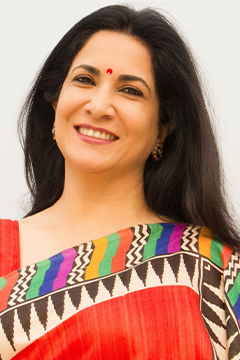
The afternoon session, “Ramayana in North-East India: Text, Performance and Identity,” was chaired by Niranjana Mahanta Bezbaruah. The session featured Satyakam Borthakur and Prof. M. Piyobroto Singh as discussants, who spoke about the unique ways in which the Ramayana has shaped literary traditions, performing arts, and cultural identities across the North-Eastern region of India.
The final academic session of the day, “Philosophical and Ethical Teachings of Ramayana,” was chaired by M. A. Alwar. The session included discussions by Jitu Borah and Darpanjit Konwar, who examined the epic’s moral and philosophical insights, highlighting its relevance in shaping ethical thought and social values in contemporary society.
The day concluded with a cultural performance, bringing the festival to a vibrant close and celebrating the artistic legacy inspired by the Ramayana.
Through thoughtful discussions and diverse perspectives, Day 2 of the festival created a rich intellectual platform for scholars, writers, students, and cultural enthusiasts to engage deeply with one of India’s most revered epics. The festival reaffirmed the Ramayana’s continuing influence on literature, philosophy, culture, and performing arts across India and beyond.