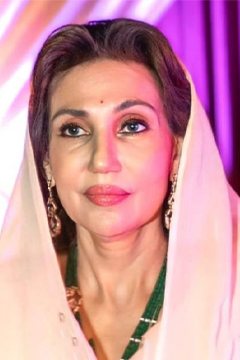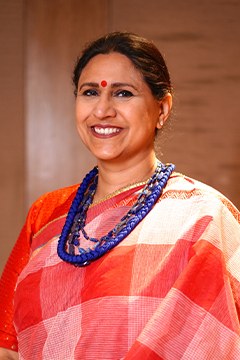
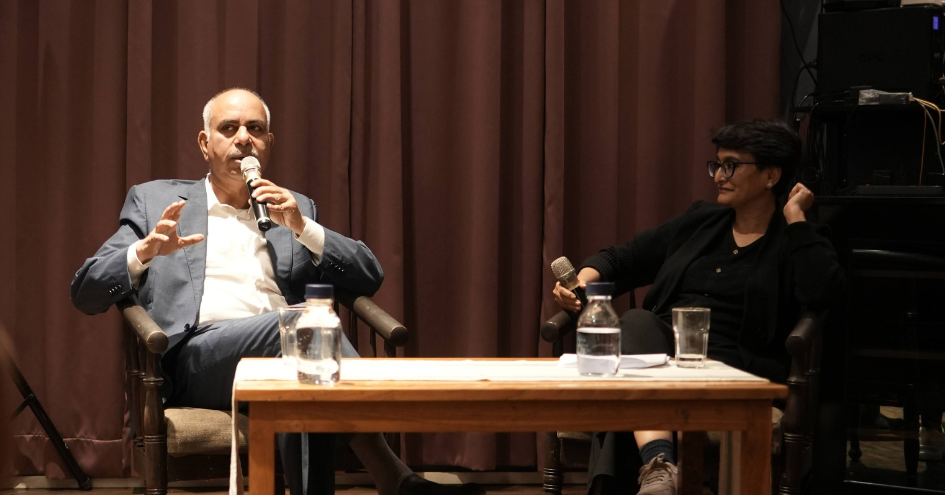
Aizawl witnessed an intellectually charged and deeply absorbing edition of The Write Circle as journalist and author Rasheed Kidwai engaged in conversation with Shashwati Goswami. The session unfolded as a rare blend of investigative history, political context, and media critique. The evening began with a warm welcome by Amelia Lalremdiki Sailo, Ehsaas Woman of Aizawl gracing an opening for the evening.
Opening the discussion, Kidwai drew a striking parallel between contemporary cyber fraud and a crime committed decades before the age of OTPs and internet banking. “Fraud and scams are happening today because of technology; but in 1971 a big corruption happened that somebody mimicked Indira Gandhi’s voice and called up the bank manager of State Bank of India, New Delhi branch, asking for 60 lakh rupees.” He described how the caller announced, “Indira Gandhi will talk and demanded urgent funds for Bangladesh,” invoking the tense backdrop of the Indo-Pak war.
Kidwai recounted the astonishing gullibility and urgency that marked the episode: “The bank manager collected 60 lakh rupees, put it in a huge steel trunk, and handed it over near the Free Church.” He added, with emphasis, that at today’s value the amount would be 171 crore rupees. The episode ‘shook the nation’, spawning conspiracy theories that ranged from Sanjay Gandhi’s involvement to a CIA operation.
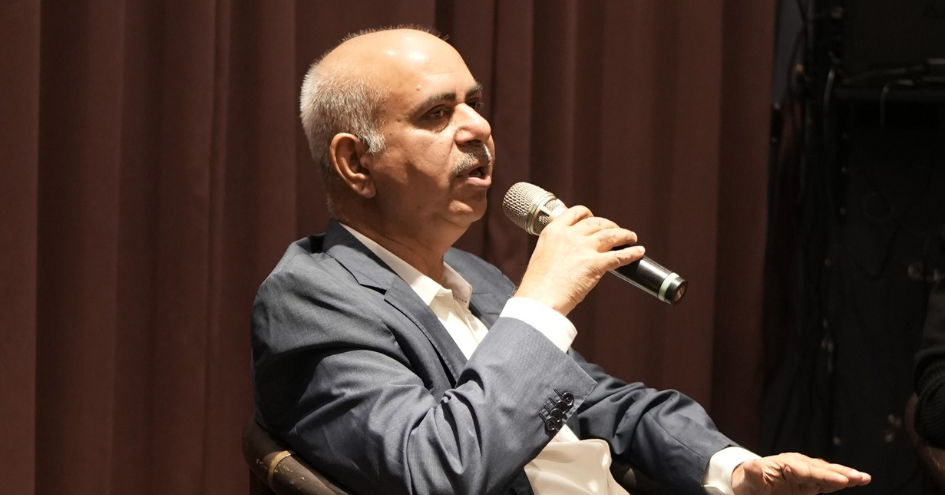
As the narrative progressed, the tone deepened into inquiry. Kidwai explained that the accused, Rustam Sohrab Nagarwala, was arrested swiftly and later died in custody.
Turning to Nagarwala’s character, Kidwai painted a nuanced portrait: “Nagarwala was a very interesting character, very well-travelled; a hands-on person. One of the most intriguing aspects concerned Nagarwala’s behaviour after the crime. “He dyed his hair, trimmed his beard, and roamed around Delhi,” Kidwai said, adding that his movements seemed strangely aimless: “It is as if he was waiting for the police to come.”
The judicial process came under sharp scrutiny. Kidwai stated bluntly, “The judicial process was very sloppy.” He described how Nagarwala was pressured into confession: “The police told him, ‘Just confess and you will go scot-free.’” The magistrate, he said, acted “in great hurry,” failing to ensure legal counsel or examine evidence thoroughly. “Had Nagarwala lived, perhaps he would have been exonerated,” Kidwai suggested, underscoring the miscarriage of due process.
As the session closed with an interaction between the author and the audience, sharing not only the memory of a scandal, but a renewed respect for inquiry itself. In Kidwai’s words, the Nagarwala affair was “not just a crime story; it is a commentary on our political system.” It concluded with the felicitation of both speakers by retired IFS officer Lalduhthlana Ralte with Kathputlis from Western India, followed by a vote of thanks by Ashley Lalremruati, Ehsaas Woman of Aizawl.
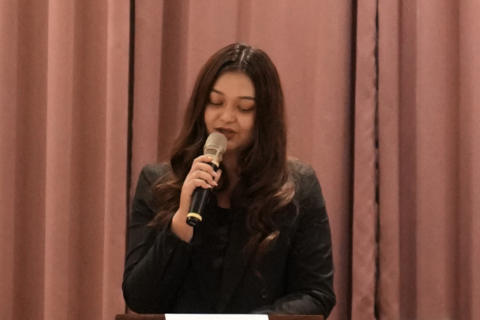
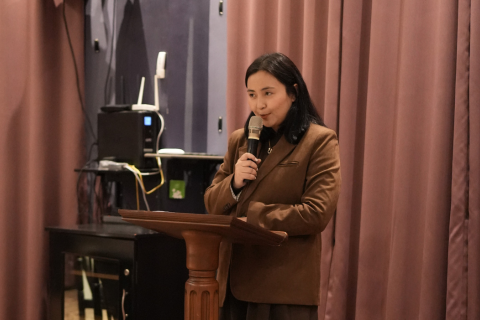
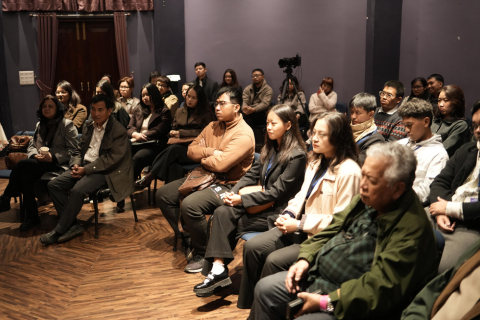
This session of The Write Circle was organized with the support of Ehsaas Women of Aizawl, in association with Oil India Limited; Hospitality Partner, Folkland