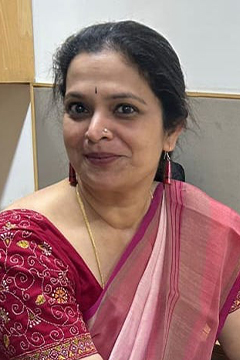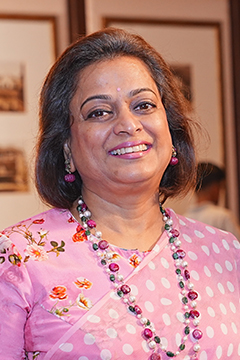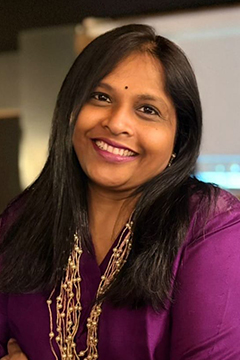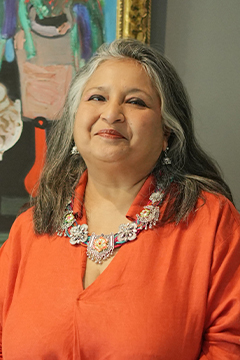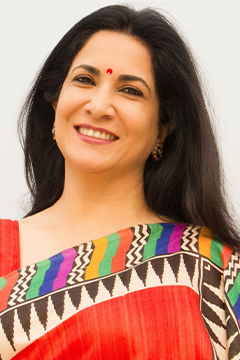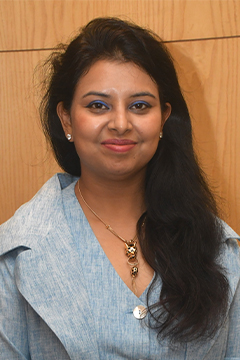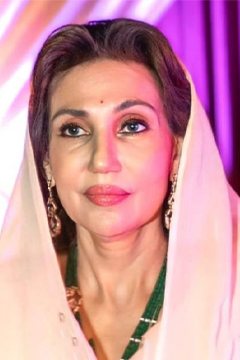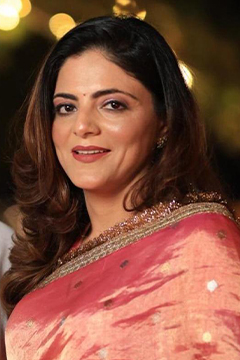
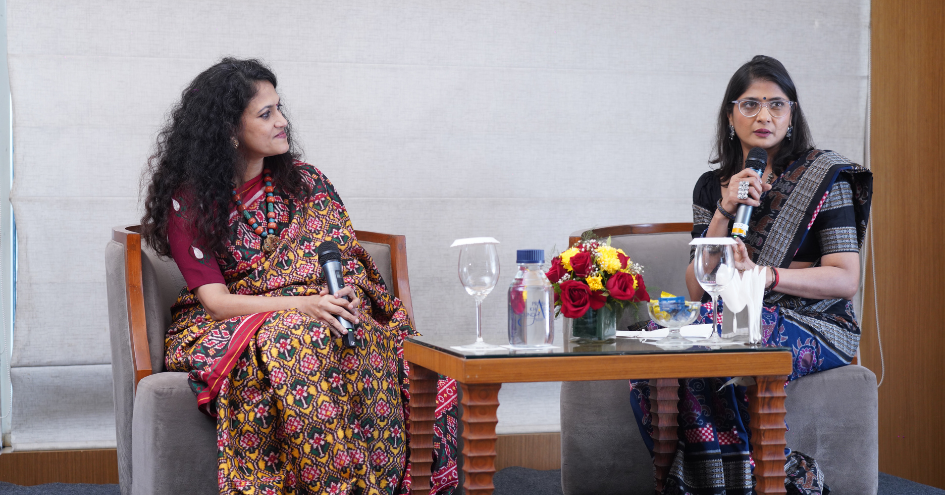
An evening of profound reflection, and inspiring narratives unfolded in Nagpur under The Write Circle, an initiative of the Prabha Khaitan Foundation. The evening featured an engrossing conversation between Priyanka Kothari, Ehsaas Woman of Nagpur, and distinguished civil servant, author, and changemaker Swati Pandey. Uniting literature, public service, and social consciousness, the programme sparked thoughtful dialogue on identity, compassion, governance, and leadership. The session commenced with a gracious welcome address by Jyoti Kapoor, Ehsaas Woman of Nagpur, who warmly introduced the evening.
Unlike conventional narratives of urban upbringing, Pandey’s was a story shaped by forests, tribal communities, and humanitarian work undertaken by her parents. “My parents were doctors for the refugee displacement project of East Bengal,” she recalled. “Childhood for me was actually growing up with the Gonds. My parents had no time for me because when you are doctors, you really don’t have time for your own kids—you have time for other people’s kids.”
As the conversation progressed, Pandey traced her educational journey from Bhubaneswar to Nagpur, where she pursued higher studies before emerging as a gold medallist in Anthropology. Her experiences with UNICEF and grassroots development work eventually led her towards public service. “If you are not part of public policy, if you are not a person who is able to construct policy, then you are really not doing any justice to your own aspirations,” she said. “You can have all the dreams, but you don’t have a highway.”
Among the most compelling segments of the evening was Pandey’s recollection of her posting in Chandrapur and Gadchiroli, regions often associated with remoteness and difficulty. One particularly memorable anecdote involved a young tribal woman abandoned by her husband. “People looked at me and thought I could solve their problem,” Pandey explained. “When people think that you can solve their problem, you can’t say, ‘It is not my problem.’” Through persistence, ingenuity, and no small measure of determination, she succeeded in reuniting the couple. A year later, the family returned to meet her with their newborn child. “For me, that was power,” she reflected.
The audience was particularly captivated by her humorous account of receiving a phone call from the office of legendary actor Amitabh Bachchan during the COVID-19 lockdown. What began as a request to retrieve a piano component stranded in the postal system evolved into an innovative public-awareness campaign celebrating India Post’s contribution during the pandemic. “Everybody remembered the doctors, nurses, sanitation workers and police,” she observed. “They forgot the postman.” Pandey spoke passionately about postal workers who delivered pensions, medicines, vaccines, PPE kits, and essential supplies during one of the most challenging periods in recent history.
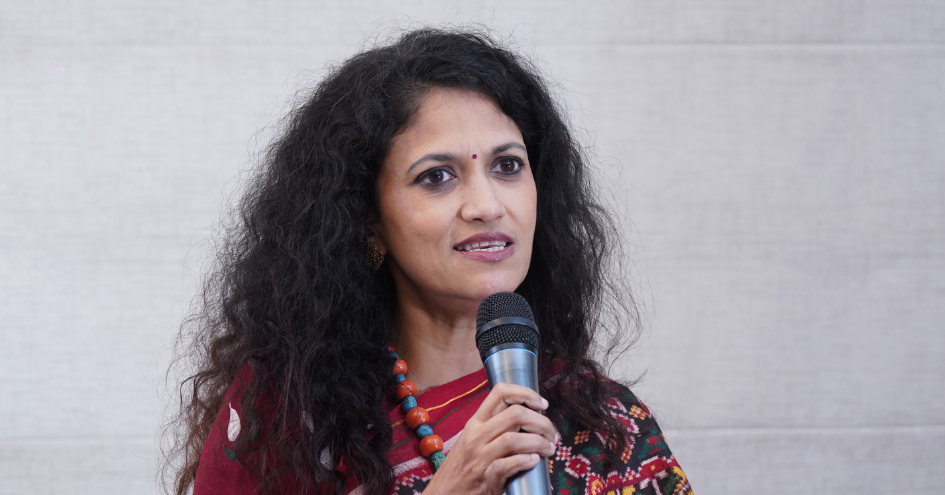
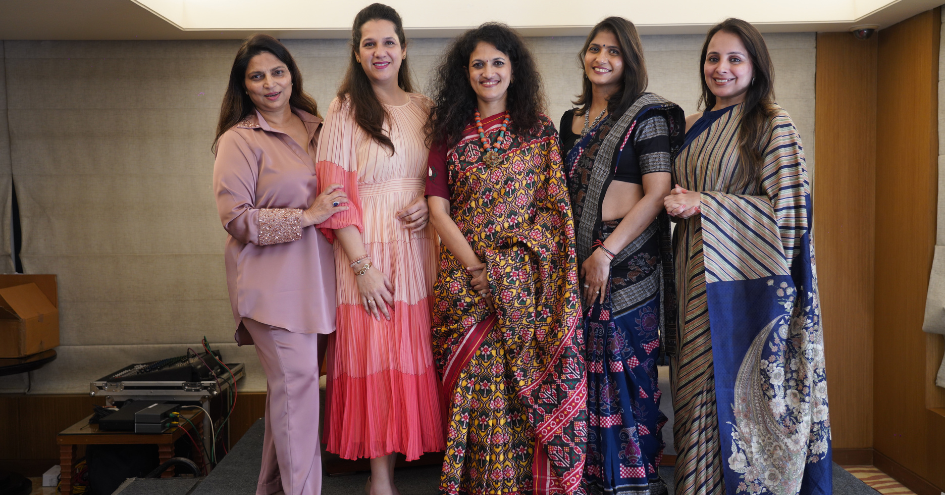
Whether speaking about tribal communities, abandoned women, heritage conservation, public institutions, or frontline workers, she consistently returned to a singular principle: “compassion must remain at the heart of service.” while addressing the audience during a Q&A session. The guest was felicitated with a token of appreciation by Shrimant Mane and the vote of thanks was delivered by Monica Bhagwagar, Ehsaas Woman of Nagpur.
This session of The Write Circle was organized with the support of Ehsaas Women of Nagpur, and was in association with Hospitality Partner, Radisson Blu; and Hindi Print Media Partner, Lokmat