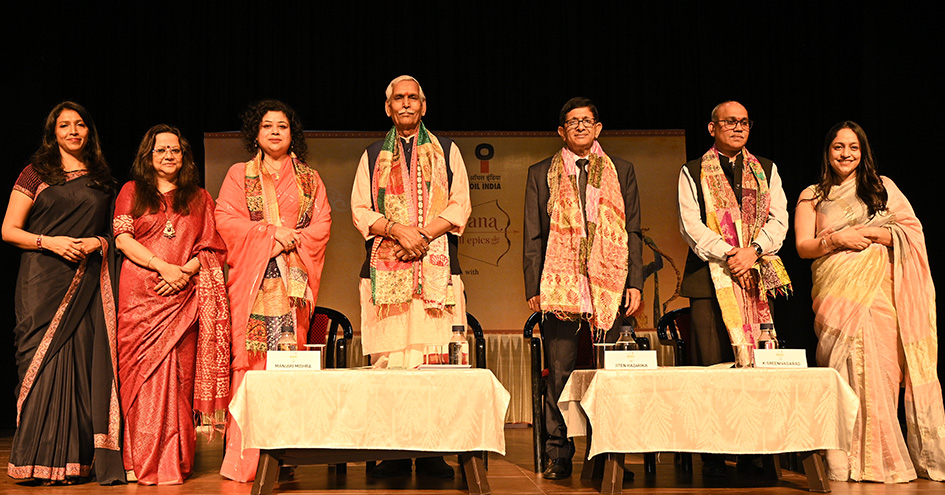
The Prabha Khaitan Foundation, with the support of Oil India Limited and in association with Dibrugarh University, presented a remarkable two-day cultural and literary festival, Ramayana – Epic of All Epics, celebrating the timeless relevance and enduring legacy of one of the world’s greatest narratives. Bringing together distinguished scholars, writers, cultural practitioners, students, and literature enthusiasts, the festival created a vibrant platform for intellectual exchange and artistic expression centred on the Ramayana’s literary, philosophical, and cultural significance.
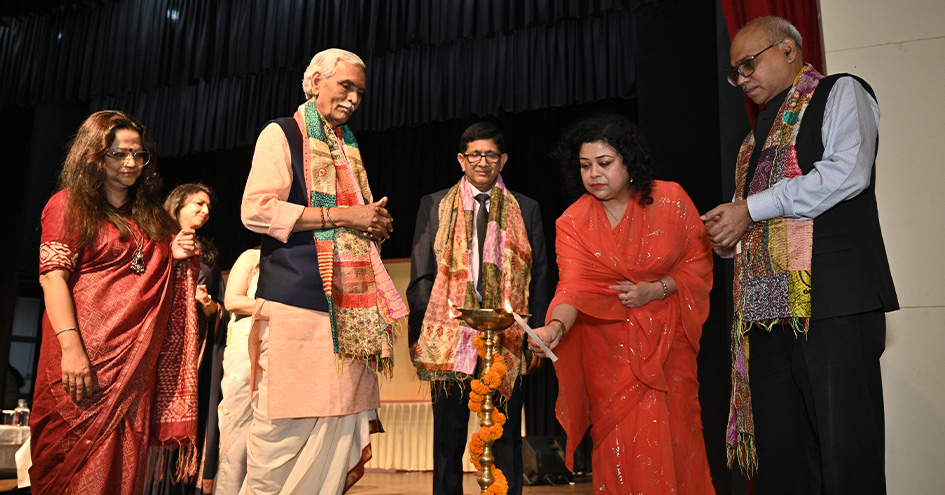
The festival opened with an inaugural session featuring an introductory address by Dr. K. Sreenivasa Rao, followed by an insightful inaugural address by noted scholar Prof. Baldev Bhai Sharma. The gathering was further enriched by the presidential address delivered by Prof. Jiten Hazarika, Vice-Chancellor of Dibrugarh University, and the presence of Manjari Mishra from the Ayodhya Royal Family and also Ehsaas woman of Ayodhya as Guest of Honour. The formal proceedings concluded with remarks by Prof. Satyakam Borthakur.
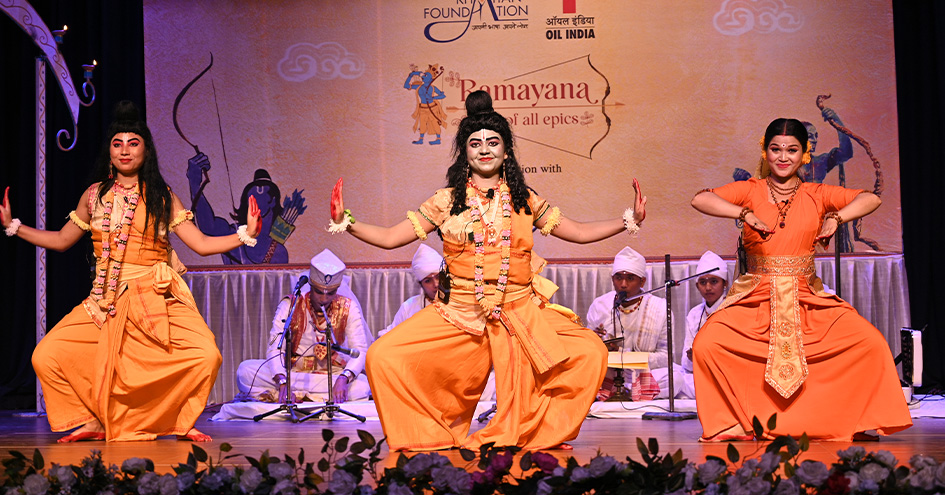
Adding a powerful cultural dimension to the opening day was a captivating Sattriya dance performance depicting the episodes of Sita Haran and Jatayu Vadh. Through graceful movement and expressive storytelling, the performance brought alive themes of courage, sacrifice, devotion, and righteousness that lie at the heart of the epic.
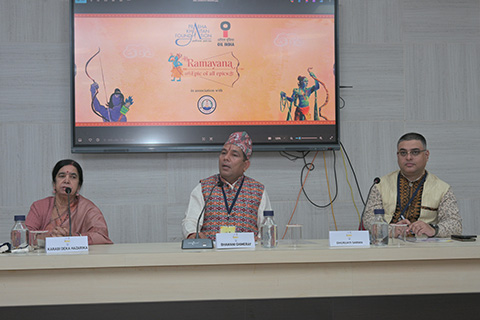
The second day featured a series of engaging academic sessions exploring diverse dimensions of the Ramayana. Discussions on Regional, Folk and Tribal Ramayanas highlighted the extraordinary ways in which communities across India have adapted and enriched the epic through oral traditions and regional narratives. Sessions on the Cultural and Civilizational Impact of Ramayana and Devotion and Spirituality in Ramayana examined its profound influence on social values, literature, philosophy, and spiritual thought.
Particularly insightful was the discussion on Ramayana in North-East India: Text, Performance and Identity, which explored the epic’s unique role in shaping the region’s literary traditions, performing arts, and cultural identity. The concluding academic session on the Philosophical and Ethical Teachings of Ramayana reflected upon the moral and ethical frameworks embedded within the text and their continued relevance in contemporary society.
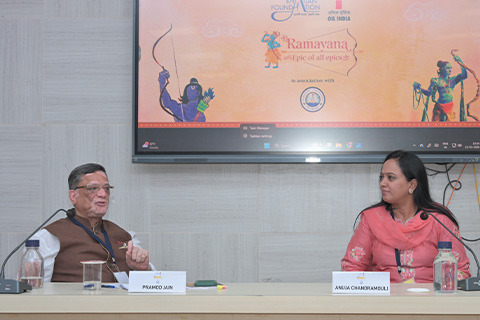
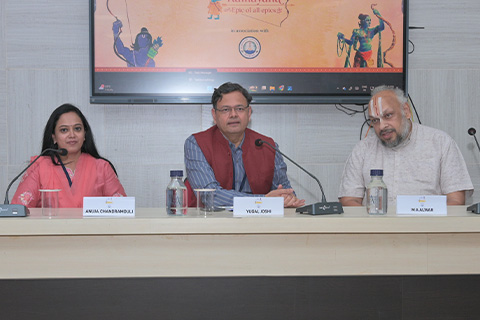
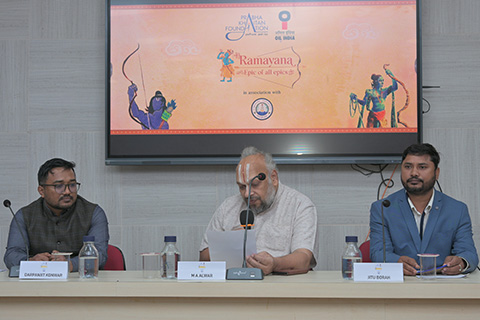
The festival concluded with a vibrant cultural presentation that celebrated the artistic legacy inspired by the Ramayana. Across two enriching days, the programme reaffirmed the epic’s enduring ability to inspire dialogue, scholarship, creativity, and reflection. More than a literary celebration, Ramayana – Epic of All Epics emerged as a meaningful confluence of ideas that highlighted the continuing relevance of this timeless narrative in shaping culture, ethics, and collective consciousness across generations.