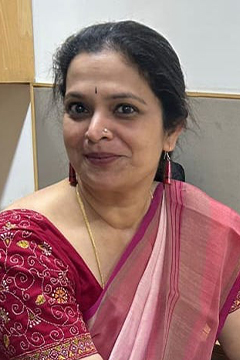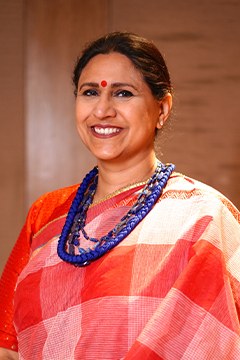
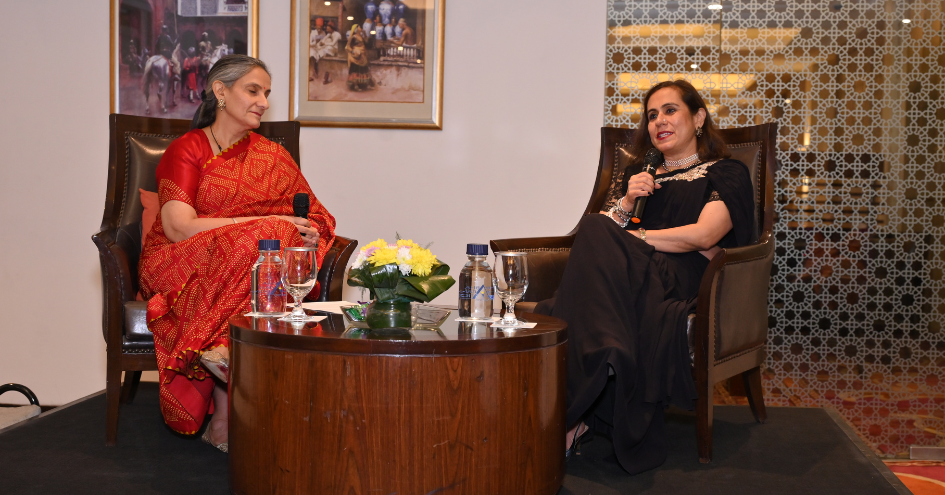
At an invigorating edition of The Write Circle in Jaipur, celebrated journalist, cultural commentator, author, and narrative psychotherapist Shefalee Vasudev engaged in a compelling and richly layered conversation with Mita Kapur. The evening unfolded as a sophisticated exploration of fashion beyond aesthetics, examining its intersections with identity, politics, culture, psychology, power, and selfhood.
Reflecting upon her remarkable professional journey, Vasudev spoke candidly about her evolution from magazine editor to one of India’s most distinctive voices in fashion journalism. Recounting her tenure with Marie Claire and the intellectual foundations that eventually shaped her landmark works The Powder Room and The Voice of Fashion, she described how her understanding of fashion gradually expanded beyond trends and commerce.
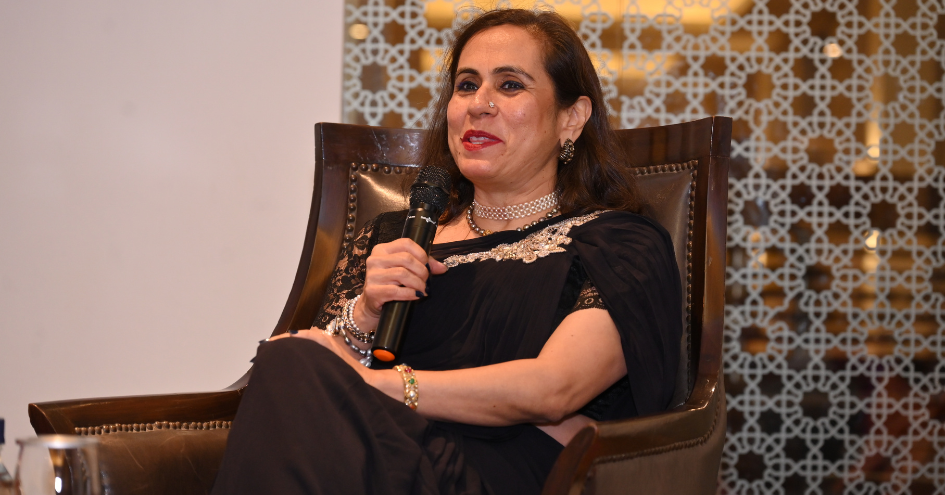
She reflected that while mainstream fashion media often focuses on glamour, trends, and consumption, she was drawn to deeper questions of identity, culture, and belonging. Distinguishing between “fashion-fashion”—the world of fashion weeks, trends, silhouettes, and seasonal colour stories—and fashion as a social and cultural lens, she asked, “What do clothes say? What does posture, language and personality say?” For her, fashion becomes meaningful when it helps society reflect on its values, identity, and aspirations.
She touched upon the paradox of personal style, noting that even when people wear similar garments, they project entirely different identities: “It’s a sense of self that carries a garment, not the other way around.” The conversation then moved into the realm of politics, a subject explored extensively in her recent work. “It’s never just another day’s work for a politician. A politician is selling you themselves, their constituency, your future, their future, power, possibility. It’s never just another day. They have to dress. They can’t just communicate through speech. They communicate through entourage.”
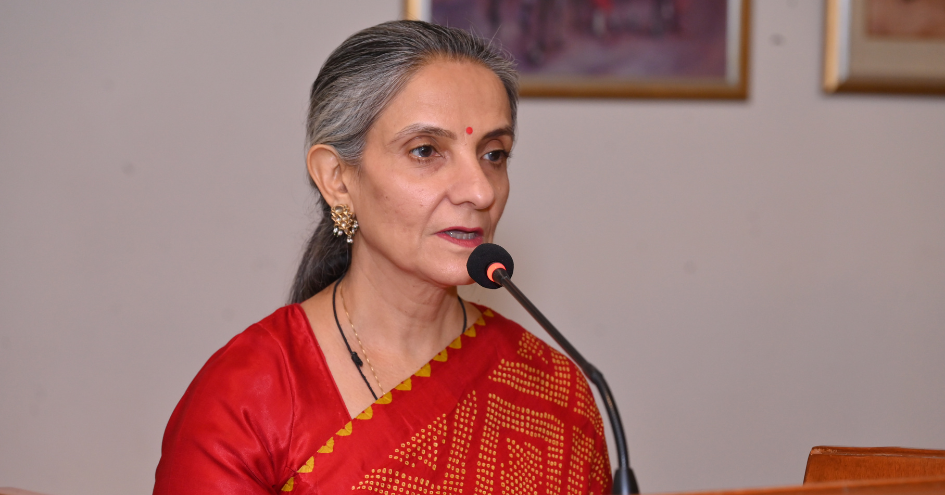
“Clothing is communication. Whether you iron it or you don’t iron it is a clue. Which colour it is and is not is a clue.” Through examples ranging from Indira Gandhi and Narendra Modi to Mamata Banerjee and Mayawati, she illustrated how sartorial choices become deliberate political signals. Every silhouette, fabric, colour, and accessory contributes to a carefully orchestrated language of symbolism.
The conversation further explored khadi, a fabric that occupied a place of particular reverence in Vasudev’s reflections. She cautioned against reducing khadi to a mere product or fashion trend, arguing instead that it represents a philosophy, an ethos, and a historical consciousness. “Khadi is a way of life. Khadi is a philosophy. Khadi is beautiful, complex.” she observed.
She carefully unpacked the complexities of labour rights, environmental stewardship, wage structures, transparency, worker welfare, and supply chains. Sustainability, she explained, “is not a fashionable label but an intricate ecosystem of responsibilities. The increasing prevalence of greenwashing, often obscures the substantial ethical commitments required to create truly sustainable systems.”
The audience interaction that followed added further depth to the evening. Responding to questions about clothing and social perception, Vasudev acknowledged that society constantly judges individuals through their attire. “No bag or shoe or brand or watch will rescue us to become someone else. It’s we who will.” she said. As the session drew towards a conclusion, the author was warmly felicitated by Ritu Uberoi.
This session of The Write Circle was organized in association with Siyahi; Hospitality Partner, ITC Rajputana