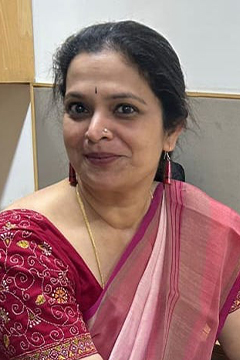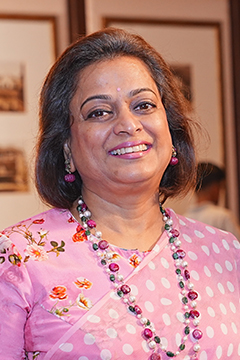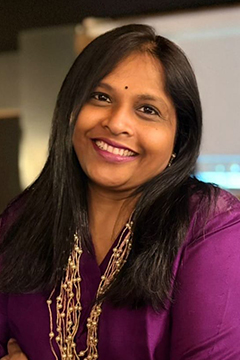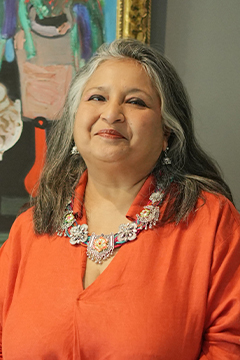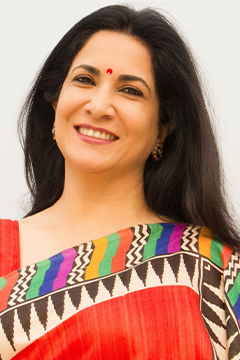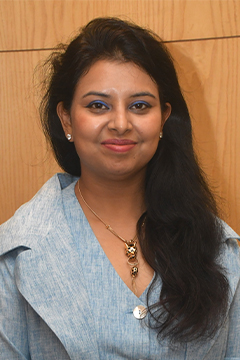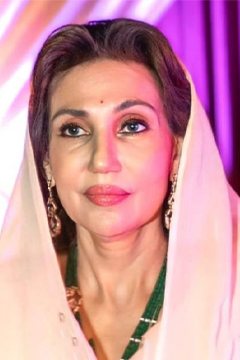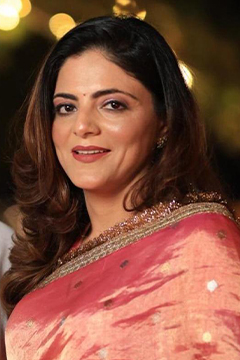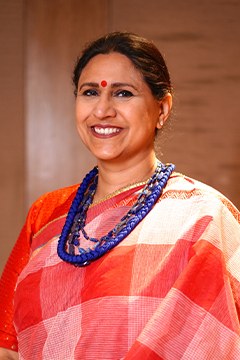
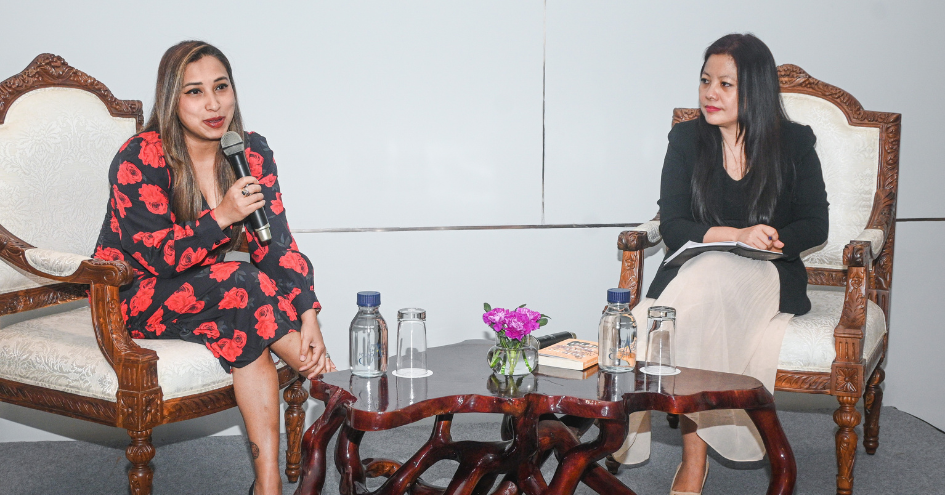
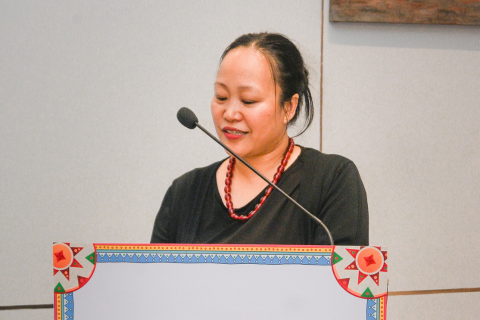
The Dimapur edition of The Write Circle unfolded as an evening of rare intellectual luminosity and emotional profundity. At its heart was an evocative dialogue between author and humanitarian Shehnab Sahin and journalist Akangjungla. The evening commenced with a gracious welcome address by Viketuno Rio, Ehsaas Woman of Dimapur.
Sahin’s response to the question of her writing journey was neither concise nor conventional and therein lay its power. “I will start this with firstly a disclaimer and an apology. I’m not a precise speaker; this will lead to a longish sort of an answer,” she confessed.
Her narrative traversed continents and inner landscapes alike from her academic pursuits, including international development from the University of Torino and a postgraduate diploma in European studies, to her tenure in the Indian civil services, where she “oversaw flagship social welfare, health and education programs at the grassroots level.”
Yet, it was perhaps in her recounting of personal loss that the evening found its deepest emotional register. The loss of her father at the age of sixteen became not merely an anecdote but a defining rupture “something shifts in your system, and it never really comes back.”

Her subsequent journey through academic excellence, civil service aspirations, and eventual disillusionment was narrated with an almost clinical honesty. “I wanted to become the man of the family,” she reflected, revealing the gendered burdens that often accompany grief in socio-cultural contexts.
The dialogue gained further intellectual traction as it moved towards the thematic concerns of her book. Sahin’s answer foregrounded the interplay between history and memory, asserting that her work was “nothing but an act of a very personal expression of everything that mattered to me.” Her approach to historical fiction was neither revisionist nor escapist; rather, it sought to reclaim narrative space for the overlooked and the intimate.
Equally compelling was her articulation of linguistic choice. The deliberate retention of untranslatable Assamese words, she explained, “was an act of both artistic integrity and cultural assertion. I would never gloss over the spirit of the word for it to make sense to the reader.”
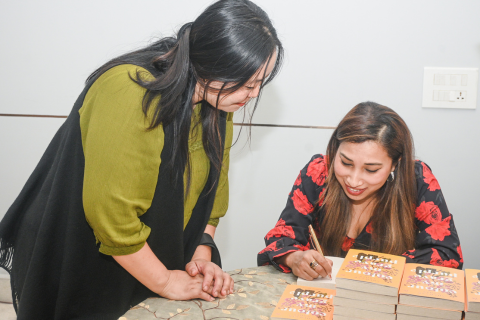
The audience interaction segment further enriched the evening, introducing perspectives that expanded the scope of the discourse. One attendee’s reflection, “You have captivated my mind and heart; intelligence is art” elicited a response that seamlessly bridged the personal and the philosophical. Sahin’s meditation on emotional intelligence, particularly within the context of gendered professional spaces, was both incisive and unflinching.
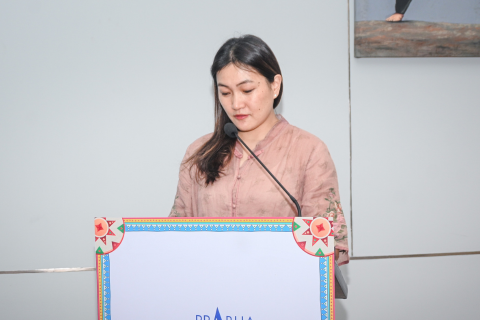
As the evening drew towards its conclusion, the cumulative impact of the dialogue became palpable. The formal conclusion, marked by a vote of thanks by Abokali Jimomi, Ehsaas Woman of Dimapur, brought the gathering full circle with a note of gratitude and reflective closure. Atoho Jakhalu felicitated the author with hand-crafted terracotta artefacts, as a gesture of esteem.
This session of The Write Circle was organized with the support of Ehsaas Women of Dimapur, in association with Oil India Limited; Hospitality Partner, Zone Niathu by The Park.